
%20(52).png)


.svg)


If you're evaluating Salary.com competitors and alternatives or exploring new compensation platforms, you’re at the right place.
Salary.com is a great compensation platform. Whether it's the comprehensive market data or the familiar Excel-based workflows, Salary.com surely simplifies benchmarking decisions for comp professionals.
However, many Salary.com users have been vocal about their struggles with certain aspects of the platform.
We reviewed user review portals like G2, Capterra, and Gartner Peer Insights, and it turns out that Salary.com users are unhappy with its dated interface, vendor dependency for basic changes, and lack of real-time analytics, forcing constant Excel exports.
Hear it from one such user 👇
“As a compensation professional who has used other compensation management platforms, I’ve noticed that Salary.com/CompAnalyst doesn’t feel quite as modern or streamlined in comparison. At times it takes several clicks to reach the information I need, and I would appreciate a more user-friendly design with a smoother, updated feel.” - Jennie L., Senior Compensation Analyst, Enterprise on G2
If you find this relatable, we are glad you are reading it.
In this article, we will introduce you to 5 promising Salary.com competitors. By the end of this article, you should be able to make an informed decision about which Salary.com alternative to pursue.
Let's go!
Why Should You Look for Salary.com Competitors?
When we investigated what actual users were saying on G2, Capterra, and other user review portals, we found some pretty consistent complaints that might sound familiar to you.
Let's break these down:
Excel-centric workflows slow down your comp cycles
Salary.com's CompXL is essentially an Excel-native environment. While this offers familiarity, it also means heavy reliance on manual data imports and exports. Users repeatedly export data to Excel for tasks the platform can't handle natively — such as complex modeling or creating custom reports.
“The most obnoxious part is the uploading of employee data since I generally have many small, one-off adjustments to make that add up. You have to import it instead of tweaking it within the system. The obvious worst part about CompXL is the user interface, which is...very excel-like. This isn't going to be like logging into ADP, or Ultipro, or SuccessFactors to do your compensation process. But what it lacks in the modern widget-designed HRIS, it makes up in functionality. You can do a LOT more in this program than you can in any of those programs, because you are basically only limited to the limitations of Excel--which are few.” - Rebekah, Compensation Analyst in US on Capterra
Mid-cycle adjustments become a nightmare. Adding a late new hire, tweaking budgets, or updating job codes requires admin-side edits and re-uploads rather than quick, on-the-fly changes.
In short, an over-reliance on Excel-like operations makes your comp cycle labor-intensive.
Vendor dependency for basic configuration changes
Salary.com lacks true self-service capabilities. Users consistently report needing to submit tickets for changes that should be straightforward.
- Can't upload job information yourself.
- Can't make mid-cycle adjustments independently.
- Can't modify plan rules without vendor intervention.
“I wish there was more cutomization. We wanted to customize the automatically assigned ID for each job description and couldn't do that. We also wanted to edit the info in some of the pre-set visualizations and we couldn't do that.” - Verified User in Automotive on G2
This vendor dependency limits your agility. When you need to pivot mid-cycle or quickly roll out a new comp program, waiting on support tickets isn't ideal — especially during peak compensation season.
Minimal real-time analytics force you back to spreadsheets
Salary.com offers limited real-time analytics.
You might get basic comparisons and simple pay metrics, but deeper insights — such as multi-factor pay equity analysis, pay-for-performance correlations, or predictive analytics — aren't readily available in-platform. Teams resort to offline spreadsheets for scenario modeling because there's no easy "what-if" capability built in.
“One limitation is that some of the more advanced insights and detailed reports are locked behind paid plans. While the free information is helpful, access to deeper analytics, customized reports, or more granular role comparisons would be beneficial for individual users.” - Ashish S. on G2
This creates missed opportunities to spot pay trends or inequities on the fly. It also increases compliance risks when your analytics live in exported files rather than integrated systems.
A dated interface requires extensive training
Multiple users describe the interface as "outdated". The platform requires navigating through multiple tabs and clicks for basic tasks, and new users need additional training to become comfortable.
“It is not super user friendly system and does require training and they don't have a lot of the roles we have in our department.” - Taylor G., Senior HRBP Enterprise on G2
When managers dread using your comp tool, they rush through reviews and make fewer thoughtful adjustments — undermining the quality of your entire compensation process
Why do these features actually matter for HR and comp teams?
These are serious operational challenges that directly impact your compensation team's productivity and your organization's ability to compete for talent:
- Manual processes eat up strategic time: When your comp team spends days on data exports, imports, and validation instead of analyzing pay equity or market positioning, you're paying senior professionals to do data entry. During peak compensation season, this means your team is troubleshooting upload errors at 9 PM instead of preparing insights for leadership.
- Vendor dependency kills agility: Modern compensation requires rapid adaptation — market shifts, organizational restructures, and retention crises don't wait for support tickets. When you need vendor approval to update job codes or modify eligibility rules mid-cycle, you're operating on someone else's timeline.
- Poor user experience frustrates managers: When managers struggle with clunky interfaces and multiple clicks for basic tasks, they rush through reviews and make fewer thoughtful adjustments. This leads to compensation decisions that seem arbitrary to employees, creating pay inequities and increasing turnover risk.
- Limited analytics create compliance risks: Without real-time analytics, you miss opportunities to spot pay equity issues or market misalignments as they occur. When your insights live in exported spreadsheets rather than integrated dashboards, you're one version-control error away from a compliance problem.
If you're spending more time managing the tool than managing compensation strategy, it's time to explore Salary.com alternatives.
5 Best Salary.com Competitors and Alternatives in 2026
Let us now explore the Salary.com competitors one by one. But before that, here is a quick comparison of all Salary.com alternatives:
Salary.com Competitors - At a Glance
Compport
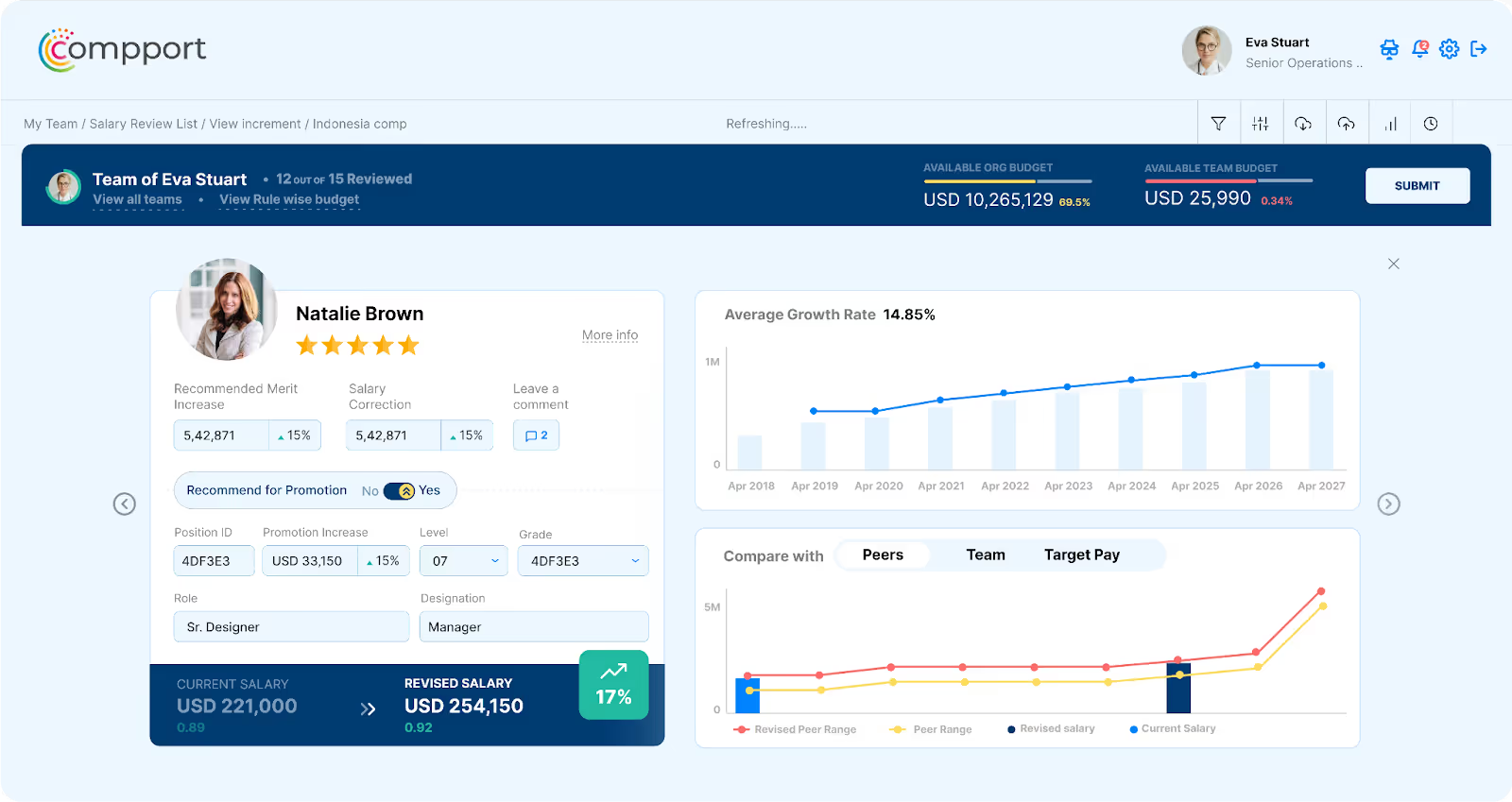
Compport is a comprehensive compensation management platform that consolidates merit cycles, bonus planning, pay equity management, long-term incentives, and HR analytics into a single system. The platform serves over 300 companies across 37+ countries and manages compensation for more than 1 million employees globally.
Unlike Salary.com's Excel-centric approach that requires constant data exports and vendor support for changes, Compport emphasizes self-service configurability and real-time insights. The platform addresses the key pain points that Salary.com users face: eliminating manual spreadsheet work through direct HRIS integrations, providing a modern interface that requires minimal training, and delivering built-in analytics without requiring data exports.
The major comp modules include:
- Compensation Planning - Salary increments, ad-hoc adjustments, market-based salary corrections, and merit cycle management powered by AI-driven budget optimization
- Short Term Incentives (STI) - Variable pay and incentive program design with scenario modeling
- Total Rewards Statements - Employee compensation transparency
- Pay Equity Management - Compliance and fairness monitoring
- Candidate Offer Module - Streamlined offer letter creation
- Long Term Incentives - Comprehensive LTI and deferred pay plan management with automated vesting and payout tracking
- Sales Incentives Planning - Commission and sales comp automation
- HR Analytics - 200+ compensation reports and dashboards
Top features
- Powerful rule engine that handles complex eligibility, proration, and budget logic without overwhelming administrators.
- Modern, survey-like interface that managers actually understand with no training required.
- All compensation processes unified — merit cycles, bonus planning, pay equity, long-term incentives, short-term incentives, total rewards statements, and analytics in one platform. No need to export data for different analyses.
- AI-powered budget optimization that automatically creates increment grids by grade, location, and performance rating — eliminating the manual spreadsheet calculations.
- Fast implementation in 8-12 weeks with dedicated white-glove support, compared to lengthy Salary.com setups that depend on how organized your data is.
- Real HRIS integrations with major platforms like SAP SuccessFactors, Workday, Oracle, Darwinbox, and ADP — eliminating the manual data uploads and downloads.
- Dynamic scenario modeling allows "what-if" analysis without rebuilding spreadsheets, addressing the analytics gap.
Pros of Compport
- Highly responsive 24/7 support with fast turnaround times (as low as 4 hours)
- Users appreciate the ability to create custom rules, logic, and compensation plans without vendor intervention
- Consistently rated as intuitive and easy to navigate for both admins and end users
- Extensive reporting capabilities and compensation analytics tools built into the platform
- Users report a hassle-free setup with supportive implementation teams
- Easy mapping of fields and HRMS integration
- Automated and customizable communication features
- Team approaches challenges and requirements proactively
Cons of Compport
- Newer platform compared to some legacy competitors
Payscale
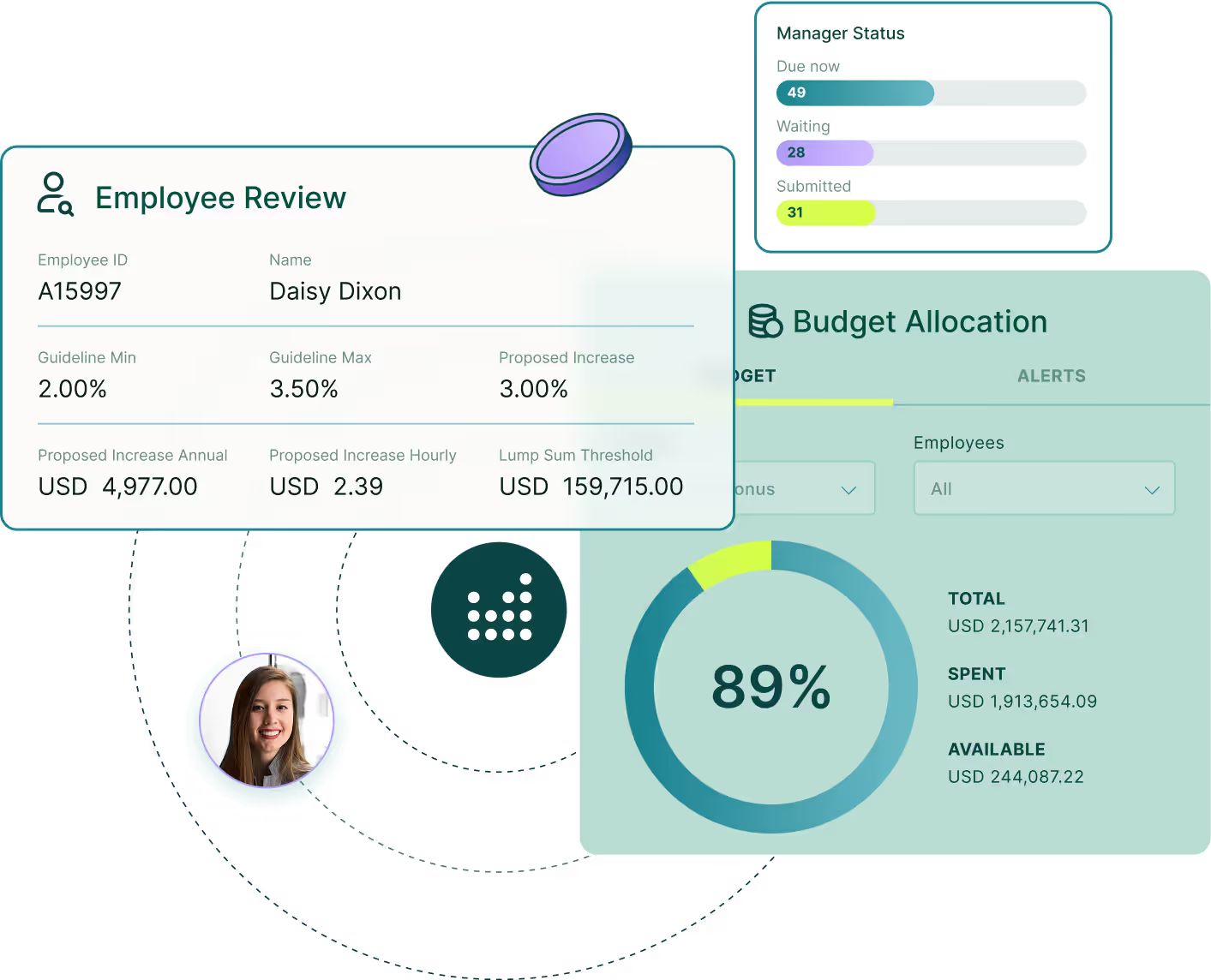
Payscale offers compensation management software that combines market data with planning tools. The platform provides both data analytics and workflow management for compensation processes, serving companies of all sizes across industries.
Top features
- Blend multiple data sources, including industry surveys, company data, and crowdsourced data, in a visually friendly interface
- Visual rule builder for complex eligibility, budgets, and multi-layer approval workflows
- Total compensation communication tools to help employees understand pay components
- Built-in analytical tools for compa-ratios and salary projections
Pros of Payscale
- Granular configurability through a visual rule builder
- Deep compliance strength suited for regulated industries
- Strong governance and policy enforcement mechanisms
Cons of Payscale
- Admin and planner UX is dated and complex relative to modern tools, requiring more training or vendor support
- The planner interface features dense grids and strict prompts rather than visual guidance, which can frustrate managers
- Limited integration across Payscale's own market data and planning tools creates workflow inefficiency
Pave
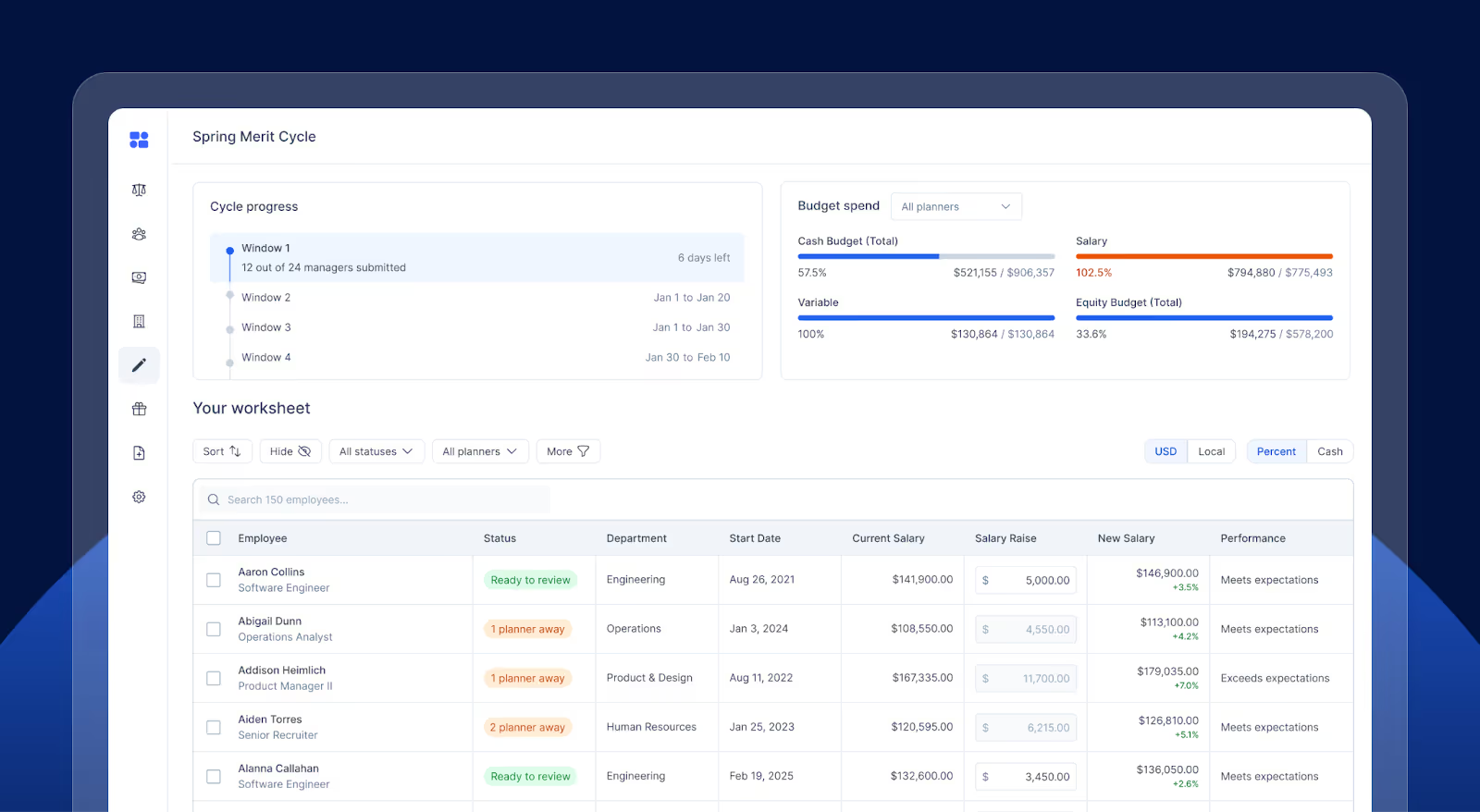
Pave is a modern compensation platform emphasizing real-time market data for tech companies. The platform focuses on comprehensive compensation management, with strong data visualization and employee communication tools that are particularly popular among tech companies and startups.
Top features
- Data consolidation to a standard leveling framework with benchmarking
- Merit cycle workflows with customizable recommendations and approval processes
- Free benchmarking tool for real-time market data in hiring decisions
Pros of Pave
- Simple UI design makes compensation management easier to navigate
- Strong collaboration features like commenting and approval workflows
- Covers benchmarking, merit cycles, and total rewards in one platform
Cons of Pave
- Enterprise budgeting depth is not fully there: lacks advanced top-down budgeting and holdback mechanisms typical in enterprise-grade tools
- Analytics need more customization and depth for sophisticated comp teams
- Some complex configurations still need vendor collaboration, such as certain multi-geo guidance and matrix modeling (Gartner CompTech Assessment)
HRSoft
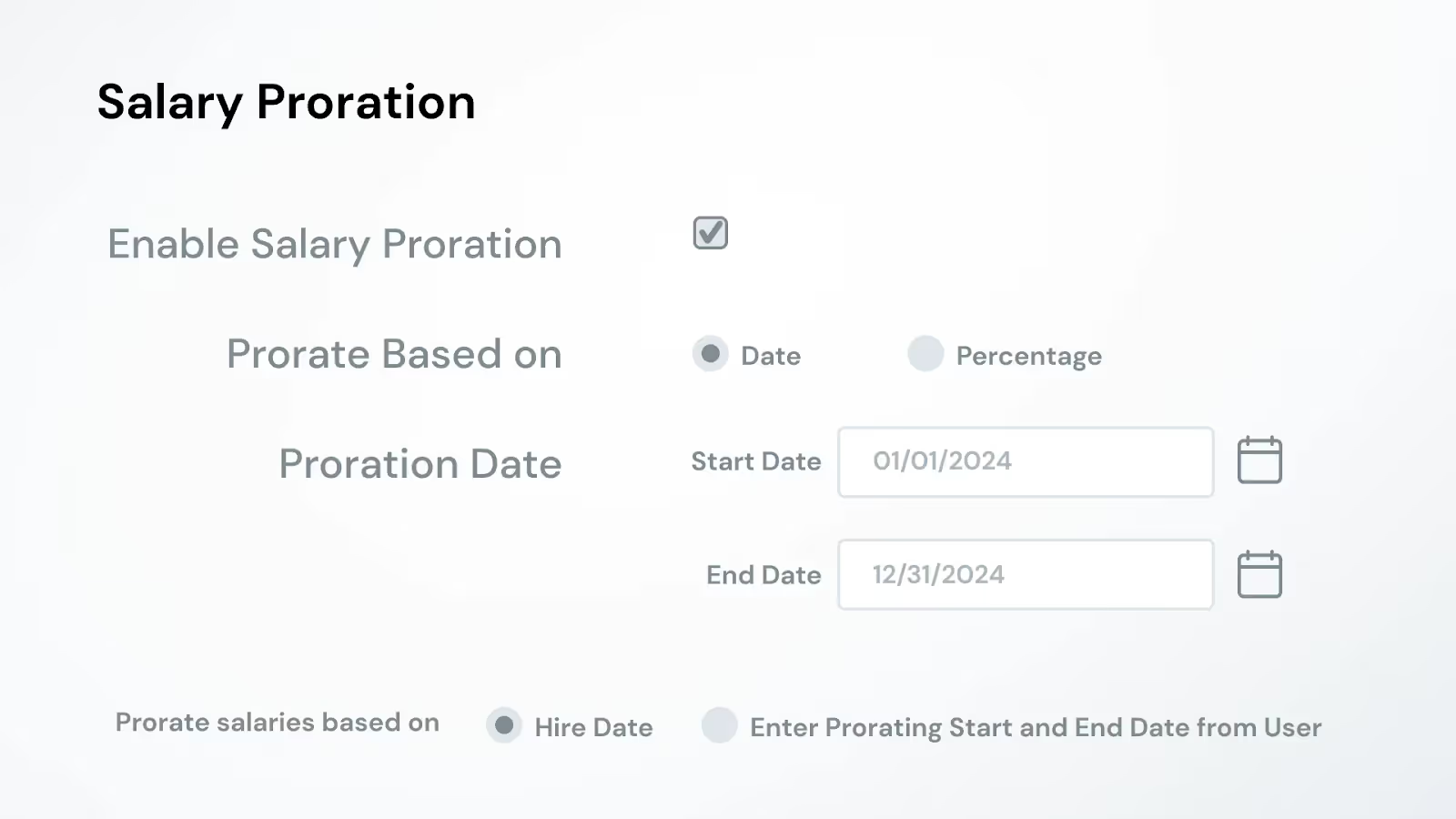
HRSoft is a unified, purpose-built SaaS platform designed to streamline the entire compensation lifecycle. The company serves organizations across multiple industries, including financial services, manufacturing, and healthcare.
Top features
- Comprehensive compensation lifecycle management from planning to execution
- Advanced budgeting and planning tools with real-time analytics
- Global capabilities supporting multi-country compensation needs with currency handling
Pros of HRSoft
- Flexible setup for complex compensation rules and requirements
- Multi-currency support for international operations
- Proven strength in financial services and healthcare, handling niche scenarios
Cons of HRSoft
- Usability trade-offs: admin UI can feel dated and may overwhelm users; planner experience is more worksheet-style and lacks modern visual cues
- Employee communications and self-service could be more engaging and customizable; statements are functional but not as modern or interactive
- Less emphasis on AI-driven innovation and collaboration tooling compared to newer platforms
Beqom

Beqom is a compensation management platform that emphasizes performance management, pay equity management, and global scalability. The platform serves large organizations worldwide and focuses on complex compensation processes across multiple regions.
Top features
- Machine learning algorithms for optimal pay recommendations
- Built-in local regulations and currency handling across regions
- Manager and employee portals for compensation transparency
Pros of Beqom
- The platform adapts to complex multinational compensation requirements
- Processes extensive datasets with accurate compensation calculations
- Offers an end-to-end compensation solution
Cons of Beqom
- Limited real admin-level configurability; many common requirements require external workarounds or vendor support instead of native configuration
- Implementation often requires 9+ months with extensive customization work
- The system is prone to regressions and crashes during critical compensation cycles
What’s Next?
Salary.com remains a solid compensation platform with strong market data and benchmarking capabilities. It can work well for organizations that value its extensive compensation data and are comfortable with Excel-driven processes.
However, exploring Salary.com alternatives makes sense if you're experiencing challenges with vendor dependency for basic changes, limited real-time analytics forcing constant data exports, a dated user interface, or lengthy implementations.
The five competitors we reviewed each bring different strengths:
- Compport: #1 in configurability and flexibility, with global-ready capabilities, a modern manager-friendly interface, minimal vendor dependency, and fast deployment
- Payscale: Configurable compensation planning paired with strong market data benchmarking
- Pave: Clean UI with real-time tech industry data and sleek workflows
- HRSoft: Flexible enterprise solution with strong global capabilities
- Beqom: Comprehensive compensation management for complex multinationals
Consider your specific priorities — whether that's implementation speed, self-service configuration, or user adoption.
Here's a quick comparison between Compport and Salary.com:

FAQs
What is the alternative to Salary.com?
Compport is a strong Salary.com alternative, offering self-service configuration, real-time analytics, and fast implementation without vendor dependency. Other options include Payscale, Pave, HRSoft, and Beqom, each with different strengths in market data, UI, or global capabilities.
Is it worth switching from Salary.com to a different platform?
It depends on your specific pain points. If you're struggling with vendor dependency, limited analytics, or a dated interface, exploring alternatives could be beneficial. Evaluate switching costs against potential productivity gains and improved manager engagement.
Can these Salary.com alternatives integrate with our existing HR systems?
Yes. Most modern compensation platforms offer integrations with common HRIS systems like Workday, SAP SuccessFactors, Oracle, and ADP. Integration complexity varies by vendor, so verify compatibility during evaluation and check if real-time or scheduled sync is available.
%20(32).avif)
%20(31).avif)
%20(30).avif)