



%20(43).avif)


.svg)



Pay transparency laws are active across 10+ US states, making spreadsheet-driven comp cycles a compliance risk
The top five total compensation platforms in 2026 are Compport, HRSoft, Beqom, Decusoft, and Aeqium
Compport offers configurable merit cycles, bonus planning, pay equity monitoring, and 200+ reporting templates in one platform
HRSoft suits regulated industries, Beqom handles custom complex plans, Decusoft offers no-code flexibility, and Aeqium prioritizes speed and ease
Evaluate on HRIS integration depth, pay equity reporting, audit trail support, and whether the tool is built for enterprise or just demo-ready
Compensation management is no longer just an HR function, it's a compliance liability.
With pay transparency laws active across 10+ states, the cost of a mismanaged merit cycle or inequitable pay band now extends well beyond HR. Yet most enterprise Comp and Rewards teams are still running critical decisions on spreadsheets.
Purpose-built total compensation software changes that equation — but not every platform is built for enterprise complexity. Some are mid-market tools dressed up for enterprise demos. Some are flexible but take months to implement.
This guide evaluates five leading platforms on what actually matters to US enterprise buyers: configurability, HRIS integrations, pay equity support, and real implementation experience.
Here's what you need to know before your next renewal cycle.
🏆 Best Total Compensation Software Solutions - At a Glance
✅ Full support | ⚠️ Partial support | ❌ Limited support
| Software | Best For | Implementation | US Pay Transparency | G2 Score |
|---|---|---|---|---|
| Compport | Large enterprises (10k+ employees) running complex global cycles | 6–8 weeks | ✅ Full | ⭐ 4.7 |
| HRSoft | Global enterprises in regulated industries (finance, healthcare) | 3–6 months | ⚠️ Partial | ⭐ 4.4 |
| Beqom | Orgs with experienced comp teams managing highly custom plans | 4–6 months | ⚠️ Partial | ⭐ 4.4 |
| Decusoft | Mid-large orgs needing no-code comp automation without IT burden | 6–10 weeks | ⚠️ Partial | ⭐ 4.6 |
| Aeqium | Agile orgs prioritizing speed and ease over advanced modeling | 2–4 weeks | ❌ Limited | ⭐ 4.7 |
When a 900-person SaaS company outgrows spreadsheets mid-cycle
Challenge:
Storable's custom scorecards and evaluation methods didn't fit any platform's rigid structure. Managers were spending more time fighting spreadsheets than making strategic pay decisions.
Results:
- ✅ ADP integration completed in 2 days
- ✅ Managers onboarded in under 20 minutes
- ✅ Global oversight with local flexibility — zero spreadsheet chaos
"Compport provides a large degree of customization and allows for a simple, consistent approach to global comp cycle management."
— Jonathan Lewis, Global People Operations Executive, Storable
👉 See how Storable unified global comp planning in a single system →
What to Look for in a Total Compensation Software?
Use this checklist to evaluate potential solutions before your next renewal cycle or shortlisting compensation software vendors.
Enterprise Evaluation Checklist
Use this checklist to evaluate potential solutions before your next renewal cycle or vendor shortlist.
| Priority | What to Look For |
|---|---|
| Security & Compliance |
☐ Meets SOC 2, ISO 27001, and GDPR standards
☐ Role-based access controls and full audit trails
☐ Pay equity reporting support across US state laws (CA, CO, IL, NY)
|
| HRIS/Payroll Integrations |
☐ Native integrations with Workday, SAP, ADP, and other core systems
☐ Automated data flows — no manual uploads or duplicate entry
☐ Real-time sync across platforms
|
| Global & Multi-Currency |
☐ Handles multiple currencies and live exchange rates
☐ Supports country-specific tax rules and statutory requirements
☐ Centralizes global data while allowing local nuances
|
| Total Rewards Statements |
☐ Personalized by location, role, level, and tenure
☐ Interactive digital statements and print-ready PDFs
☐ Reflects your unique rewards mix and employer branding
|
| Manager & Employee Access |
☐ Manager planning tools with guardrails and modeling capabilities
☐ Employee self-service portal for 24/7 rewards visibility
☐ Proactive HR communication of compensation changes
|
Features that separate leaders from legacy tools
⚙️ Legacy Systems vs. Next-Gen Platforms
| Legacy Systems | Next-Gen Platforms |
|---|---|
| Manual data uploads | Real-time API integrations |
| Single country/currency | Global, multi-currency support |
| One-size-fits-all PDFs | Personalized, digital statements |
| Static reports | Modeling & scenario planning |
| Manual audits & checks | Built-in compliance safeguards |
Get an ROI estimate for your headcount
Try our ROI Calculator to guide your next cycle.
5 Best Total Compensation Software in 2026
1. Compport
Compport is a powerful, highly configurable total compensation software designed for large, global organizations handling complex pay cycles. With a robust feature set spanning compensation planning, bonus management, total rewards statements, pay equity analysis, and more, Compport enables sophisticated enterprises to streamline and strategize their compensation processes.
Top Features
- Intuitive interface makes building intricate compensation plans as easy as answering a survey.
- Flexible personalization allows tailoring plans based on role, level, location, tenure, and other attributes.
- A powerful rule engine simplifies the configuration of complex compensation rules and eligibility criteria.
- One-click budget builder generates increment grids across teams, grades and geos to accelerate planning.
- Guideline setting and guardrails empower managers to make informed pay decisions while staying on budget.
- Pay equity monitoring proactively detects potential bias issues across gender, race, and other factors.
- Comprehensive reporting with 200+ templates enables one-click generation of stakeholder-ready analyses.
Pros
- Unmatched flexibility to model any compensation scenario or business rule
- Intuitive for a wide range of users despite managing sophisticated global plans
- Real-time guardrails and analytics enhance decision quality and pay equity
- Powerful insights and stunning visualizations to engage stakeholders
Cons
- New tool compared to legacy solutions
Best For
Large multinational organizations with 10,000+ employees. Companies seeking to transition from spreadsheets to an enterprise-grade system or are struggling to manage complex compensation cycles in their HCM.
When a global energy company's comp process became a security liability
Challenge:
Excelerate Energy, a global LNG company, was struggling with labor-intensive manual processes around compensation letter creation and distribution. Budget tracking was handled offline, making real-time visibility nearly impossible. Manual distribution of sensitive compensation data was also raising serious security concerns.
Results:
- ✅ Admin time cut from days to minutes
- ✅ Stronger budget enforcement replaced offline tracking
- ✅ Data-backed strategy vs. gut decisions
- ✅ Deployed globally in < 3 months
"With Compport, our comp planning became smarter and more secure. We shifted from admin-heavy cycles to strategy-driven programs."
— Andrea W., Director Total Rewards, Excelerate Energy
👉 Explore how Excelerate Energy elevated compensation intelligence with Compport →
2. HRSoft
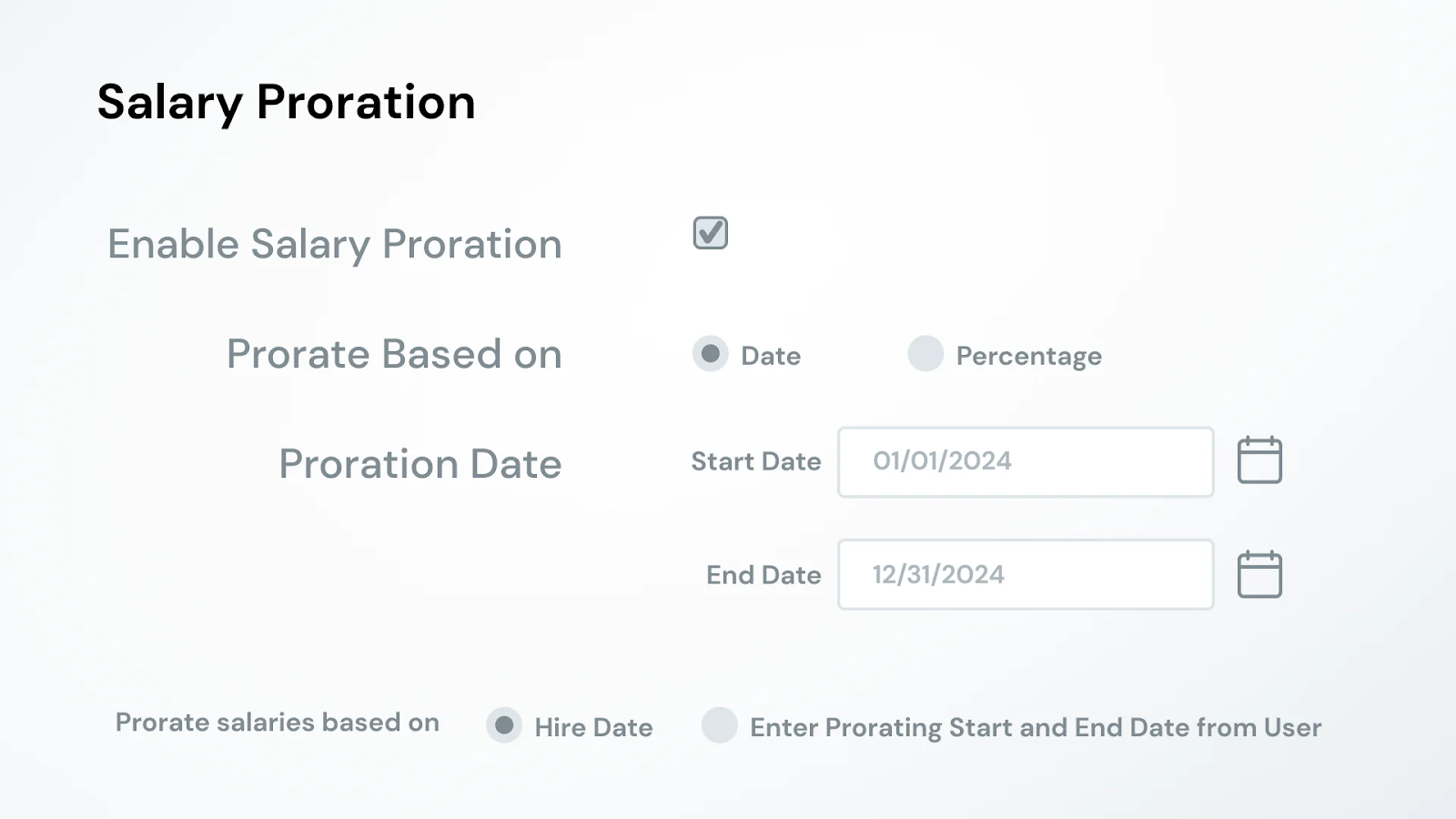
HRSoft is an employee compensation software that offers global functionality and support for complex compensation plans. It provides tools to help companies manage their compensation processes across different countries and regions.
Top Features
- Handles multi-country compensation
- Configures complex plan rules
- Generates total rewards statements
Pros
- Manages industry-specific requirements
- Intuitive navigation for end-users
- Integrates with existing HR systems
Cons
- Dated user interface
- Challenging setup for administrators
- Limited advanced analytics
- Longer implementation timelines
Best For
Large, global enterprises in regulated industries that need a solution to handle intricate, multi-country compensation management with an emphasis on compliance and HR data integration.
Already using HRSoft but not happy with the experience?
3. Beqom
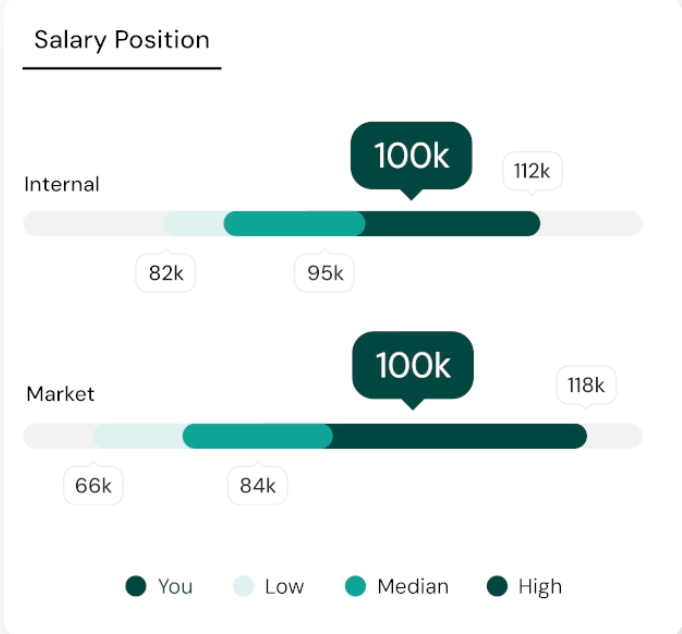
Beqom provides a compensation management platform focused on flexibility. It offers modules for managing various compensation aspects, including salary planning, bonus administration, and long-term incentives.
Top Features
- Customizable to match unique needs
- Supports salary, bonus, and long-term incentive processes
- Includes market benchmarking capabilities
Pros
- Flexible for modeling complex compensation plans
- Offers strong market benchmarking data
- Supports the management of global compensation programs
Cons
- Extensive customization can lead to lengthy implementation times
- The complexity of the system can be challenging for administrators to fully utilize
- A higher degree of flexibility may result in more maintenance needs over time
Best For
Best suited for organizations with well-established compensation teams that have the expertise to navigate a more sophisticated system.
Already using Beqom but not happy with the experience?
4. Decusoft
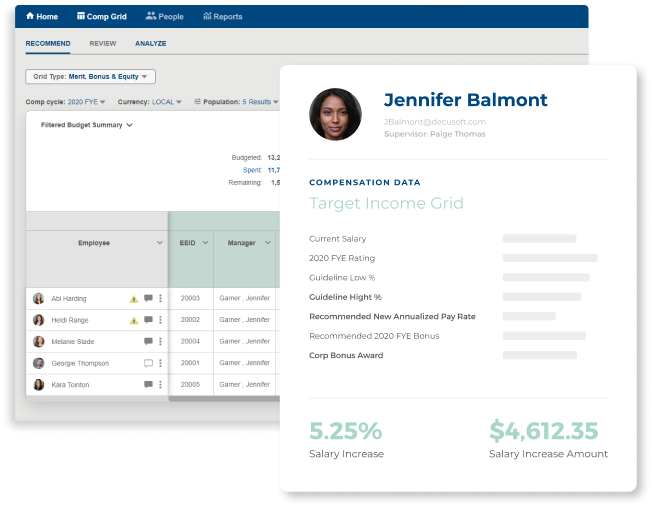
Decusoft Compose is a no-code compensation management platform that supports the full compensation lifecycle. It enables organizations to manage compensation processes without requiring technical expertise.
Top Features
- No-code platform for compensation management
- Supports a wide range of compensation plan types
- Offers configurable workflows and approval processes
Pros
- Flexible enough to handle various compensation models
- User-friendly interface resembling spreadsheets
- Effective at managing exceptions and unique scenarios
Cons
- Some gaps exist in automated functionality for budgeting and proration, which may necessitate manual workarounds
- Relatively newer player in the market compared to more established vendors
- May require more support from the vendor for complex customizations
Best For
Mid-sized to large organizations across various industries looking to streamline and automate their compensation processes.
5. Aeqium

Aeqium provides a modern compensation planning software designed to streamline compensation cycle configuration and provide real-time insights. The platform focuses on efficiency and collaboration.
Top Features
- Intuitive interface for quick cycle configuration
- Real-time budgeting and analytics capabilities
- Collaborative planning features
Pros
- Fast implementation timelines
- Strong integration with existing HR systems
Cons
- Less mature functionality for advanced budgeting and equity modeling compared to some competitors
- Lacks predictive analytics capabilities for scenario planning
Best For
Well-suited for organizations prioritizing ease of use, agility, and collaboration over highly sophisticated modeling capabilities.
How to Build Your Business Case for a Compensation Platform
Choosing the right platform is only half the battle. For most enterprise comp teams, the harder job is getting finance, IT, and legal to sign off.
Here's how to frame the conversation with each stakeholder:
For Finance: Lead with cost of inaction, not cost of the tool. Calculate hours spent per comp cycle on manual processes, error correction, and audit prep — then convert that to a dollar figure. Add the compliance risk exposure from pay transparency gaps. The ROI calculator on this page can help you build that number quickly.
For IT: Come prepared with the vendor's security certifications (SOC 2, ISO 27001), integration documentation for your existing HRIS stack, and implementation timeline. IT's biggest fear is a long, disruptive deployment. Platforms like Compport completing ADP integrations in 2 days is the kind of specific data point that moves IT objections fast.
For Legal: Focus on pay equity reporting capabilities and audit trail documentation. With US state pay transparency laws expanding, legal teams want evidence that the platform supports compliance — not just compensation administration. Know which specific state laws your shortlisted vendor supports before that meeting.
Distill your case to three lines: what it costs today to run comp cycles manually, what the platform delivers, and what it costs to wait another cycle. That's the version that gets calendar time with a CFO.
Why Compport Leads the Pack?
When it comes to managing compensation on a global scale, organizations often find themselves bogged down by manual processes, limited visibility, and inflexible systems.
This was the case for both Storable and Excelerate Energy before they discovered Compport.
While Storable wrestled with scale and customization, Excelerate Energy faced a different set of roadblocks — manual workflows, offline budgets, and security gaps.
The impact of Compport was just as transformative.
One Platform. Different Industries. Same Result.
Whether it’s a SaaS leader scaling fast or an energy giant operating worldwide, Compport adapts — delivering structure, automation, and strategy to any compensation challenge.
Ready to See Compport in Action?

FAQs
Which enterprise tools combine sales incentives and bonus planning?
Compport combines sales incentives planning and bonus management in a single platform, letting enterprise teams configure commission plans, bonus payouts, and eligibility rules without switching between separate tools.
What platform helps unify multiple compensation windows into one?
Compport does this well. Its rule engine lets teams merge separate bonus, merit, and promotion cycles into a single configurable window, the way Security Bank consolidated three previously fragmented cycles into one two-week process, cutting delays and confusion.
What compensation platform fits my large, fast-growing organization?
Compport suits large enterprises (10,000+ employees) that have outgrown spreadsheets or rigid HCM comp modules. Its configurable architecture and 6-12 week implementation let fast-scaling teams add complexity without re-platforming later.
What is a total compensation system?
A total compensation tool or system is software that manages all aspects of employee compensation, including salary, bonuses, equity, and benefits, providing a comprehensive view of rewards.
What compensation platform offers configurable workflows and guardrails?
Compport combines a flexible rule engine with built-in guardrails, letting managers model pay decisions within budget limits while admins configure eligibility, proration, and approval logic natively, without vendor tickets or external workarounds.
Which tools help streamline complex global merit cycles?
Compport is built for this. It supports multi-currency, multi-entity planning with country-specific rules in one system, letting global enterprises like Standard Bank run unified, real-time cycles across regions instead of stitching together local spreadsheets.
How to compute total compensation?
Total compensation is calculated by adding up all forms of compensation an employee receives, including base salary, bonuses, equity, benefits, and perks. Compensation software can automate these calculations.
How does total compensation software support pay transparency compliance?
Purpose-built platforms maintain audit trails, generate pay equity reports, and ensure consistent application of compensation bands — helping US enterprises stay compliant with state laws in CA, CO, IL, and NY.
What's the average implementation timeline for enterprise compensation software?
It ranges from 2–4 weeks for lighter tools to 4–6 months for highly customizable platforms. For large enterprises, plan for a minimum of 6–8 weeks including HRIS integration and manager training.
How to successfully plan enterprise compensation software implementation?
Start by mapping HRIS integration needs (Workday, SAP, ADP), compliance requirements across your operating states, and internal timeline expectations. Platforms like Compport shorten this with native API integrations and dedicated implementation support, going live in 8-12 weeks versus months for legacy systems. Read more about Compport's implementation process.
What's the difference between compensation software and a total compensation platform?
Compensation software handles salary planning and merit cycles. A total compensation platform goes further — covering bonuses, equity, and total rewards statements in one system for a complete view of employee rewards.
Can compensation software integrate with Workday or SAP?
Most enterprise-grade platforms offer native or API-based integrations with Workday, SAP SuccessFactors, and ADP. Always verify during the demo whether the integration is real-time or batch-based.
%20(97).png)
%20(96).png)
%20(95).png)