A sales compensation plan can be technically sound, financially accurate, and aligned
with business objectives. But that doesn't automatically mean it will drive the intended
sales behaviors. One of the most important factors in successful sales compensation
implementation is the frontline manager.
In Episode 2 of Compensation & Coffee Season 2, Senem Birim, Co-founder of Compport, speaks
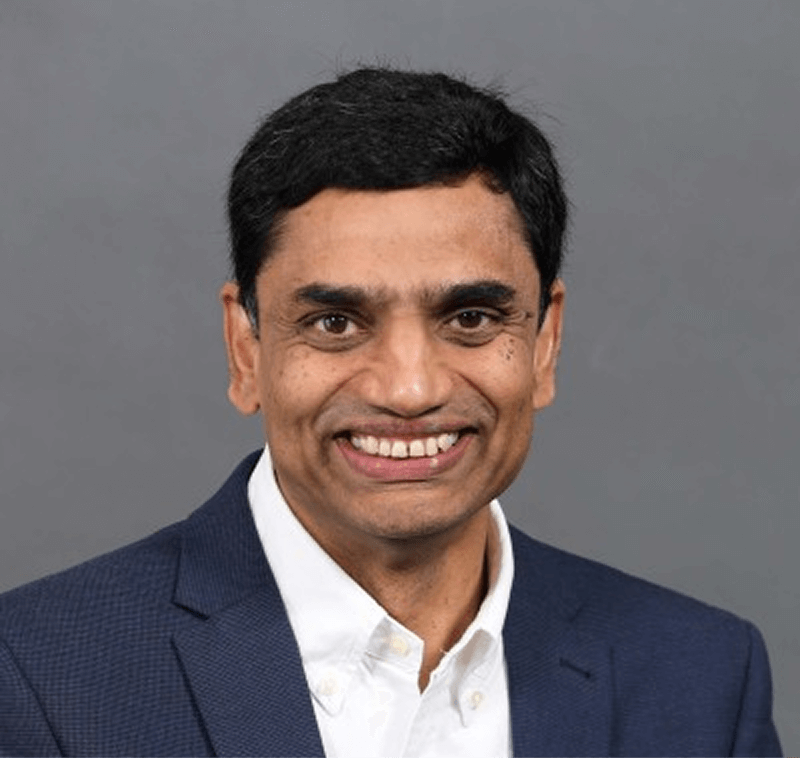
with Tonja Stewart, Director of Global Sales Commissions, about the role frontline managers play in
designing, communicating, and reinforcing sales compensation programs.
With more than 20 years of experience in compensation, including extensive work in sales incentives and variable pay, Tonja brings a perspective shaped by both financial analysis and close collaboration with sales leadership.
The conversation explores why Rewards teams need to look beyond compensation calculations and plan mechanics to understand the actual challenges salespeople face, how managers influence performance, and what it takes to make incentive programs effective in practice.
As organizations prepare for their 2027 sales compensation planning cycles, these lessons offer an important reminder: frontline managers should be partners in the process, not simply the people responsible for communicating decisions after they have been made.
Key Insights from the Session
Sales compensation design needs more than accurate calculations
Tonja began her career in accounting, which initially shaped how she approached compensation: through calculations, accuracy, and the financial mechanics behind incentive programs.
But her experience working with sales leaders revealed another essential dimension.
A compensation plan may be technically correct, but Rewards teams also need to understand how salespeople operate, what challenges they face, and what drives performance.
This requires looking beyond the numbers and incorporating the practical realities of selling into compensation design.
Key takeaway: Technical accuracy is necessary, but understanding the sales environment is equally important to designing effective incentive programs.
Frontline managers should be partners in compensation planning
Frontline managers have direct visibility into the challenges sales teams face when generating revenue.
They understand the day-to-day realities of sales execution and can provide context that may not be immediately visible through compensation data alone.
Tonja emphasizes how valuable her relationships with sales leaders have been in developing that understanding.
Rather than treating frontline managers only as recipients of a finalized compensation plan, Rewards teams can benefit from involving them earlier and learning from their experience.
Key takeaway: Involving frontline managers in the planning process can help connect incentive design with the realities of sales performance.
Managers need to understand the decisions behind the plan
Many sales compensation decisions are made at senior leadership, executive, or board level.
However, frontline managers are often the people who must explain those decisions to individual sellers.
When questions arise, managers need more than a plan document or a set of calculations. They need to understand the reasoning behind the decisions and how those decisions support the behaviors the organization wants to encourage.
Tonja makes the point that managers cannot simply distance themselves from a decision because it originated higher in the organization.
They need to be equipped to support the plan and explain it effectively.
Key takeaway: Successful sales compensation communication requires managers to understand and stand behind the decisions they are expected to explain.
Sales compensation communication is an ongoing responsibility
Launching a sales compensation plan is not the same as making it successful.
The plan needs to be understood and reinforced as salespeople work toward their targets throughout the year.
Frontline managers are particularly important because they operate at the intersection of incentive design and day-to-day sales performance.
They help translate compensation structures into practical conversations about expectations, performance, and the behaviors that lead to results.
Key takeaway: The effectiveness of a sales compensation plan depends not only on its design, but also on how managers communicate and reinforce it throughout the performance period.
Strong collaboration between Rewards and Sales creates better outcomes
One of the recurring themes in Tonja's experience is the value of learning from sales leaders.
Rather than assuming compensation expertise alone provides all the answers, she emphasizes understanding the real challenges sales teams encounter.
For Rewards professionals, this requires building relationships with sales leadership, listening to their perspectives, and incorporating that knowledge into compensation work.
It also means recognizing that frontline managers are important stakeholders whose involvement can influence whether a plan achieves its intended objectives.
Key takeaway: Effective sales compensation requires an ongoing partnership between Rewards and Sales, supported by a shared understanding of business priorities and performance challenges.
What You'll Learn
In this episode, Senem and Tonja explore:
- The role frontline managers play in successful sales compensation planning and implementation
- Why compensation calculations and plan mechanics alone cannot guarantee success
- How Rewards professionals can better understand real-world sales challenges
- Why frontline manager involvement matters before and after plan rollout
- How to equip managers to explain and support sales compensation decisions
- The importance of collaboration between Sales, Rewards, and senior leadership
- What these lessons mean for organizations preparing for their 2027 sales compensation cycles
A Closing Thought for Sales Compensation Leaders
A successful sales compensation plan isn't simply one that has been designed correctly and communicated on time.
It is one that frontline managers understand, support, and can use to help their teams perform.
For Rewards professionals, that means treating frontline managers as more than the final link in the communication process. Their experience, feedback, and ability to reinforce the plan should be part of the broader compensation strategy.
As Tonja emphasizes, understanding the challenges sales teams face is essential to designing compensation programs that work in practice.