Key Insights from the Session
Compensation professionals spend considerable time analyzing salary data, managing pay structures, and ensuring compensation decisions are accurate. But technical expertise alone doesn't necessarily make a Total Rewards strategy effective.
To create meaningful business impact, Rewards leaders need to understand how compensation connects with recruiting, leadership development, employee experience, and broader organizational priorities.
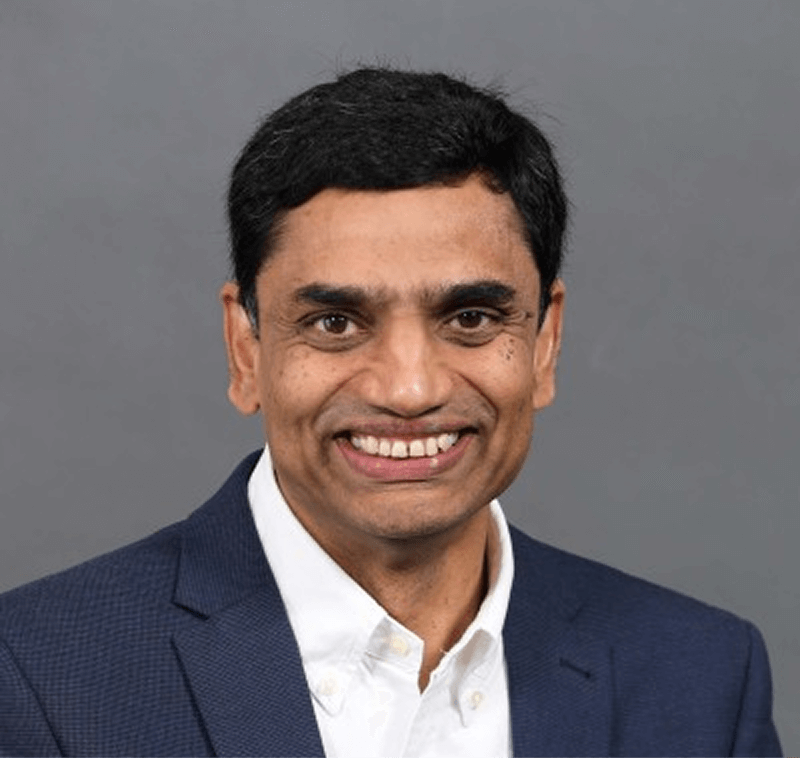
In Episode 3 of Compensation & Coffee Season 2, Senem Birim, Co-founder of Compport, speaks with Nicole Long, Associate Vice Chancellor, Classification & Compensation at the Board of Regents of the University System of Georgia, about why compensation leaders need to think beyond their immediate responsibilities.
Nicole brings experience across both HR and Total Rewards leadership, having worked with organizations ranging from approximately 100 to 250,000 employees across industries including manufacturing, technology, healthcare, and hospitality.
Her experience moving between HR and compensation roles offers a perspective on how understanding different people functions can make Rewards professionals more effective.
The conversation explores why compensation cannot operate in isolation, how Rewards leaders can better support managers, and why staying informed about broader workforce and labor market developments is essential to making better decisions.
Key Insights from the Session
Compensation leaders need to understand the wider HR function
Nicole's career has taken her between compensation-focused positions and broader HR leadership roles.
While compensation remains her favorite area of human resources, she explains how working across different HR responsibilities has helped her develop a wider perspective.
Understanding the challenges recruiters face, how managers are developed, and what different teams need to succeed can provide valuable context for compensation decisions.
For Rewards professionals, this means looking beyond salary structures and compensation processes to understand how their work connects with other HR priorities.
Key takeaway: Compensation expertise becomes more valuable when Rewards leaders understand how their decisions affect the wider people function.
Rewards strategies should connect with business priorities
Compensation decisions are not simply administrative or financial exercises. They influence how organizations attract talent, support employees, and achieve their goals.
Nicole emphasizes the importance of understanding how people contribute to organizational performance and how different HR activities support the business.
For Total Rewards leaders, this requires moving beyond the immediate task of managing compensation programs and developing a broader understanding of organizational needs.
Rather than focusing exclusively on whether a compensation process has been completed correctly, Rewards teams should also consider how their work supports business objectives and the organization's mission.
Key takeaway: Strategic Total Rewards leadership requires understanding the business priorities that compensation programs are designed to support.
Managers need support beyond compensation decisions
Managers play an important role in how employees experience compensation and rewards.
However, their challenges are not limited to understanding pay structures or implementing compensation decisions.
Nicole highlights the importance of recognizing the skills managers need to perform their roles effectively, particularly when it comes to communication.
Rewards teams can support managers not only by providing compensation information but also by understanding the difficulties they face and collaborating with other HR functions to address them.
This broader approach helps connect compensation with leadership and management development.
Key takeaway: Supporting managers effectively requires understanding their broader responsibilities, including the communication skills needed to lead employees.
Understanding recruiting and talent challenges can improve Rewards decisions
Compensation is closely connected to the work of recruiting teams and other HR professionals.
Nicole emphasizes the value of understanding what recruiters experience in their day-to-day responsibilities and how their work is rewarded.
That perspective can help compensation professionals better appreciate the practical challenges involved in attracting talent and supporting organizational goals.
It also reinforces why Rewards teams benefit from maintaining strong relationships across HR rather than treating compensation as a standalone function.
Key takeaway: Understanding the challenges faced by recruiting and other HR teams gives compensation leaders additional context for their decisions.
Labor market intelligence should go beyond traditional compensation data
Staying informed about changing labor market conditions is an important part of compensation leadership.
Nicole recommends using a variety of information sources rather than relying on only one or two reports.
One example she shares is the Federal Reserve Bank of Atlanta's research comparing wage growth for employees who remain in their jobs with those who change employers.
When the difference between these groups increases, it can signal changes in labor market dynamics that compensation professionals should pay attention to.
Alongside traditional compensation research, information from government agencies, economic institutions, and professional communities can help Rewards leaders develop a more complete understanding of the market.
Key takeaway: Compensation leaders should look beyond salary benchmarks and use broader labor market indicators to stay informed about changing workforce conditions.
Continuous learning and professional networks are essential for Rewards leaders
Total Rewards is an evolving field, and staying current requires ongoing learning.
Nicole encourages compensation professionals to seek information from multiple sources, including consulting firms, professional associations, government agencies, and industry peers.
She also highlights the value of LinkedIn as a learning platform, where professionals can follow practitioners who regularly share useful research and perspectives.
Maintaining relationships with former colleagues and participating in professional organizations can create additional opportunities to exchange ideas and understand emerging challenges.
For Nicole, curiosity and the willingness to keep learning are important qualities for professionals navigating a constantly changing field.
Key takeaway: Strong Rewards leadership depends on continuous learning, professional relationships, and the willingness to explore perspectives beyond compensation.
What You'll Learn
In this episode, Senem and Nicole explore:
- Why compensation expertise alone isn't enough for strategic Total Rewards leadership
- How experience across HR functions can strengthen compensation decision-making
- Why Rewards strategies need to connect with business priorities and organizational goals
- How compensation professionals can better understand and support recruiters and managers
- Why manager communication skills matter to the broader employee experience
- How labor market indicators can provide insights beyond traditional salary benchmarking
- The role of continuous learning, professional networks, and curiosity in Rewards leadership
A Closing Thought for Total Rewards Leaders
Effective Total Rewards leadership isn't simply about designing compensation structures, analyzing market data, or managing pay decisions accurately.
It's about understanding how those decisions connect with the people and business priorities they are intended to support.
Nicole's experience across both HR and compensation demonstrates the value of developing a broader perspective, understanding the challenges faced by other functions, and continuously learning from different sources.
For Rewards professionals looking to become more strategic, this means building stronger connections across HR, understanding what managers and employees need, and staying curious about the changing world of work.
As Senem emphasizes in the episode, Total Rewards creates the most value when it doesn't operate in isolation. It needs to connect with the broader people agenda, support real business priorities, and ultimately be understood by the employees it is designed for.